
Tuko Pamoja: A Kenyan Woman’s Complete Guide to Ending Hair Loss and Embracing Your Crown
Usikamate kila unachokiona, usiamini kila unachosikia – don’t grasp everything you see, don’t believe everything you hear. This Kenyan proverb perfectly captures the journey of countless women across our beautiful nation who are dealing with hair loss in silence. From the bustling streets of Nairobi to the coastal shores of Mombasa, hair thinning and balding affect a surprising number of Kenyan women, yet few speak openly about this struggle. Recent studies reveal that nearly half of women of African descent experience noticeable hair loss during their lifetime, with traction alopecia affecting approximately one-third . In Kisumu along Lake Victoria, just as in Nakuru in the Rift Valley, women are seeking solutions for their thinning crowns.
The emotional weight of hair loss in Kenya cannot be overstated. For many Kenyan women, hair represents more than just beauty – it connects to cultural identity, femininity, and social acceptance. “Every black woman I know is obsessed with growing their hair long,” shares Bandile, a 31-year-old aspiring South African model who experienced hair loss . Her sentiment echoes through beauty salons from Eldoret to Ruiru, where women invest billions of shillings annually in weaves, braids, and treatments hoping to achieve societal beauty standards. The shame surrounding hair loss creates a vicious cycle – women hide under wigs and weaves, never addressing the root causes while their natural hair continues to deteriorate beneath the coverings.
Why does this matter particularly for Kenyan women? Our unique hair texture, combined with popular styling practices and specific environmental factors, creates a perfect storm for hair loss issues that might differ from what women experience in other parts of the world. The humid coastal climate of Mombasa presents different challenges than the dry heat of Ngong or the cool highlands of Nyeri. Understanding these location-specific factors is the first step toward developing effective, tailored solutions for Kenyan women at every stage of their hair restoration journey.
Mapambano Ya Nywele: The Root Causes of Hair Thinning in Kenyan Women
Traction Alopecia: The Price of Beauty
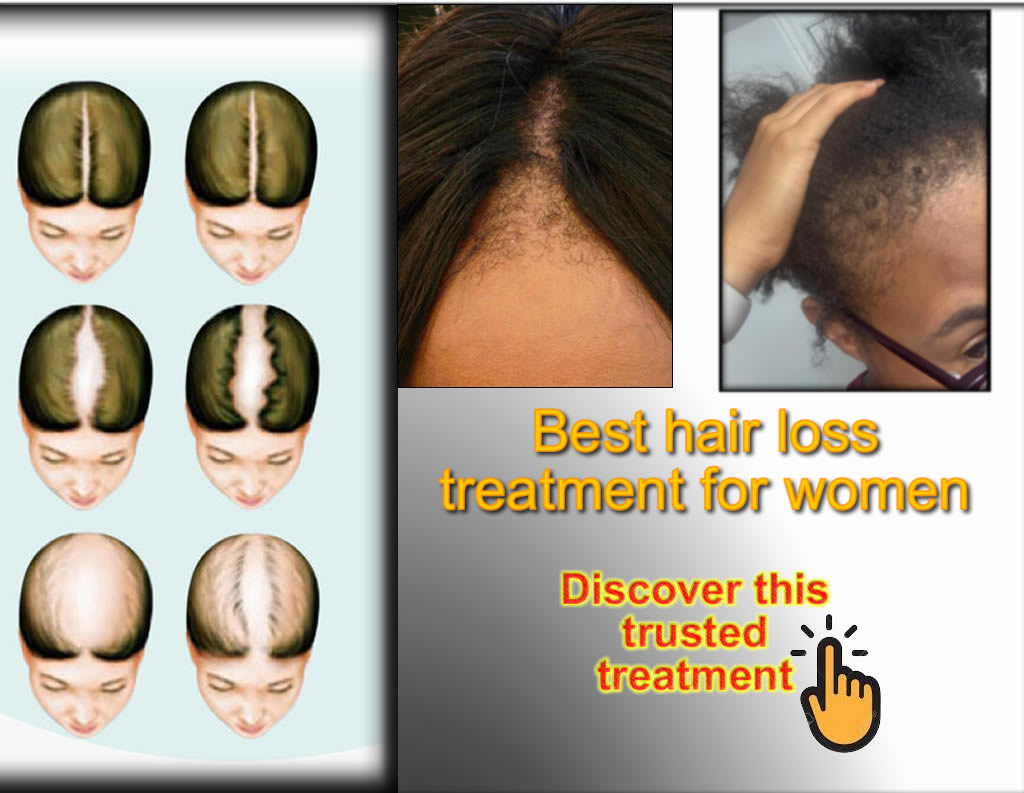
Walk through any market in Thika or Kikuyu, and you’ll witness the creativity of Kenyan hairstyling – from sleek braids to intricate weaves. Unfortunately, these beautiful styles often come at a cost. Traction alopecia, a form of hair loss caused by prolonged tension on hair follicles, affects countless Kenyan women . This condition develops gradually when hairstyles like tight braids, weaves, or extensions pull constantly at the hairline and other sensitive areas. “Most of the women are using the wrong glue for their weaves or maybe they leave their braids or weaves in for extended periods of time,” explains Susan Magai, who owns a beauty salon in Dar es Salaam . Her observation holds true across beauty salons in Nakuru and Eldoret, where women often leave protective styles in for months rather than the recommended two weeks.
The problem is compounded by misconceptions about hair care that have been passed down through generations. “The misconceptions we grew up with was that a weave is more manageable than your natural hair,” notes Bandile . Many Kenyan women believe that constantly braiding or weaving promotes hair growth, when in reality, these styles can cause irreversible damage when not done with care and moderation. The temptation to keep styles longer for economic reasons – after all, getting your hair done represents a significant investment for many women – conflicts with what’s healthy for our scalps. The bustling beauty industry in cities like Mombasa and Kisumu thrives on these practices, creating a complex relationship between beauty standards, economic practicalities, and hair health.
Postpartum Shedding and Hormonal Changes
From the lush highlands of Kericho to the urban centers of Nairobi, many Kenyan women experience significant hair loss after childbirth. Boitumelo Monyaki, a 39-year-old financial management student, went completely bald eight years ago – something she believes was linked to the birth of her first child . “I’ve learnt that plenty of women in my family lose their hair after giving birth,” she shares. “It has been happening since my great-grandmother’s time” . This intergenerational pattern of postpartum hair loss is common in many Kenyan families, often accepted as inevitable rather than addressed proactively.
The phenomenon known as telogen effluvium typically occurs 2-4 months after delivery, when hormonal changes cause more hairs than normal to enter the shedding phase. While usually temporary, the experience can be frightening, especially when combined with the other pressures of new motherhood. For women in Eldoret working farms or those in Mombasa running small businesses, the added stress of noticeable hair thinning can impact self-esteem during what’s already a challenging transition. Similarly, hormonal fluctuations related to birth control pills, thyroid disorders, or perimenopause can trigger similar shedding patterns, requiring different approaches than traction-related hair loss.
Nutritional Deficiencies and Environmental Stressors
Kenya’s diverse landscapes – from the arid north to the fertile central region – create varying nutritional challenges that can impact hair health. Iron deficiency, particularly common among women of childbearing age, represents one of the most overlooked causes of hair loss nationwide. Vitamin D deficiency, surprisingly prevalent in sunny Kenya due to indoor lifestyles and sun avoidance, also plays a crucial role in maintaining healthy hair growth cycles. Women in bustling Nairobi facing the hustle of city life might skip balanced meals in favor of quick street food, while those in rural areas might have limited access to diverse nutrients.
Dr. Jumoke Koso-Thomas, who contributes to a blog focused on black women’s health, emphasizes that “childbirth, being on the pill and stress can also make women lose their hair” . The unique stresses of modern Kenyan life – whether navigating matatu commutes in Ruiru, managing small businesses in Kikuyu, or balancing agricultural work with family care in Ngong – take a tangible toll on our bodies, including our hair. Environmental factors like hard water in some regions, sun exposure, and seasonal changes further compound these challenges, creating a complex web of causes that requires equally nuanced solutions tailored to our Kenyan context.
Nywele Za Kale: Traditional Kenyan Haircare Wisdom and Modern Adaptations
Time-Tested Natural Remedies
Long before commercial hair products lined shelves in Nairobi supermarkets, Kenyan women relied on nature’s pharmacy to maintain healthy hair and scalps. Coconut oil, used traditionally along the coastal communities of Mombasa and the coconut-growing regions, provides exceptional moisturizing properties that make hair more pliable and less prone to breakage . Susan Magai’s salon in Dar es Salaam offers a steam treatment using coconut oil: “The steaming is like baking the hair. We use coconut oil and apply it on to the scalp. Then we cover the hair and bake it using a machine” . This modern adaptation of traditional practice shows how ancient wisdom can be integrated with contemporary techniques.
Other traditional remedies include muratina (sausage tree) oil used in central Kenya around Karuri and Thika regions, which contains properties that may support scalp health. Aloe vera, readily available in drier regions like Kajiado and Machakos, soothes the scalp while providing vitamins and minerals essential for hair growth. The Maasai have long used red ochre mixed with animal fats not just for styling but potentially for scalp protection. In western Kenya around Kakamega and Bungoma, women have traditionally used mabanga (castor oil) to nourish both scalp and hair strands. These natural solutions, honed over generations, offer complementary approaches to commercial treatments when used appropriately.
The Double-Edged Sword of Modern Styling
The evolution from traditional haircare to modern styling practices presents both conveniences and challenges for Kenyan women. In cities like Nakuru and Kisumu, the beauty salon industry has exploded, offering services that were once occasional luxuries as regular maintenance. “Every woman feels more sophisticated with a weave,” observes Bandile. “Half of us feel like when you’ve got a long weave and long hair, you look a bit more beautiful and you’re accepted better in society” . This social pressure drives a multi-billion dollar industry across Africa, with Kenyan women spending significant portions of their income on weaves, braids, and wigs .
The economic reality for many women means stretching the life of these expensive styles far beyond what’s healthy. “We advise our clients to leave weaves in for two weeks but some leave them in for three months and start to lose their hair,” notes salon owner Susan Magai . This practice is common from the busy streets of Nairobi to the growing municipality of Ruiru, where women juggle multiple responsibilities and may not have time for regular salon visits. The combination of chemical relaxers applied before weave installation, the tension from tightly woven braids, and the prolonged wear creates perfect conditions for traction alopecia to develop, particularly around the fragile hairline and crown areas where tension is greatest.
Tiba Za Kisasa: Clinically Proven Hair Loss Treatments Available in Kenya
Minoxidil: The Gold Standard Topical Treatment
For women in Eldoret seeking medical solutions for hair loss, Minoxidil represents one of the most accessible and proven options available. This topical treatment, approved by the FDA for hair loss, works by extending the growth phase of hair follicles and increasing blood supply to the scalp . In Kenya, products like Minoxin 5% Plus Solution are available through pharmacies and online platforms like Mydawa, making treatment accessible whether you’re in bustling Nairobi or more remote areas . Clinical studies have shown that consistent use can result in up to 45% hair regrowth for some users .
The practical challenge for many Kenyan women lies in the commitment required – Minoxidil typically must be applied twice daily for optimal results, and treatment must be continued indefinitely to maintain benefits. Some users experience an initial “shedding phase” where hair loss temporarily increases before improving, which can be alarming enough to discontinue use. The cost, while significantly lower than surgical options, still represents a substantial ongoing expense for many Kenyan women, particularly those in areas with lower average incomes like rural Migori or Busia. Despite these challenges, Minoxidil remains a cornerstone of hair loss treatment for its proven efficacy and widespread availability across Kenya’s major towns and cities.
Platelet-Rich Plasma (PRP) Therapy: Harnessing Your Body’s Healing Power
In the medical centers of Nairobi and increasingly in Mombasa, Platelet-Rich Plasma (PRP) therapy has emerged as an exciting non-surgical option for treating hair loss. This innovative treatment involves drawing a small amount of the patient’s blood, processing it to concentrate the platelets, and injecting this platelet-rich plasma into the scalp . “The growth factors released by the platelets stimulate improved blood supply and growth of new blood vessels on your scalp, which improves hair growth of dormant hair follicles,” explains Dr. Stasch’s clinic website . The result is hair that becomes “thicker, denser and stronger” with multiple treatment sessions.
For Kenyan women considering this option, the treatment protocol typically involves an initial series of 4-6 sessions spaced approximately six weeks apart, followed by maintenance treatments every 6-12 months . The cost starts at around KES 35,000 per session in Nairobi, with packages of six sessions available for approximately KES 189,000 . While this represents a significant investment, many women find the natural approach – using their own healing factors rather than introducing foreign chemicals – worth the expense. The growing availability of PRP in centers across major Kenyan cities like Nakuru and Kisumu makes this an increasingly accessible option for those who haven’t responded to topical treatments alone.
Hair Transplant Surgery: A Permanent Solution
When hair follicles are no longer present or active, hair transplant surgery offers a more permanent solution for Kenyan women struggling with advanced hair loss. This procedure involves taking hair from donor areas (typically the back and sides of the scalp where hair is more resistant to thinning) and transplanting these follicles to thinning or balding areas . In Kenya, hair transplant costs range from Ksh 100,000 to Ksh 350,000 depending on the number of grafts needed, the surgeon’s experience, and the clinic location . The two primary methods available in Kenyan clinics are Follicular Unit Transplantation (FUT), which involves removing a strip of scalp, and Follicular Unit Extraction (FUE), where individual follicles are extracted.
The appeal of hair transplant surgery lies in its permanence – once the transplanted hairs establish themselves, they continue to grow naturally throughout life. This makes it particularly valuable for women with clearly defined areas of loss, especially along the hairline or parting. For businesswomen in Nairobi, teachers in Eldoret, or farmers in Kitale who want a one-time solution rather than ongoing treatments, transplants can represent excellent value despite the higher upfront cost. However, it’s crucial to choose a reputable clinic with experienced surgeons, as the skill of the practitioner dramatically affects both the survival rate of transplanted follicles and the naturalness of the final appearance. Proper aftercare is equally essential, requiring patients to follow specific instructions during the critical healing period.
Kujisaidia Mwenyewe: Natural Regrowth Methods and Lifestyle Approaches
Nutritional Support for Hair Health
The connection between diet and hair health cannot be overstated, particularly in Kenya where our diverse local foods offer tremendous nutritional benefits. Dr. Koso-Thomas advises that “a healthy balanced diet containing vitamin C, vitamin B and selenium, found in fresh fruit and vegetables, helps to nourish the hair root and can help combat traction alopecia” . For women in agricultural regions like Nyeri with access to fresh produce, or those near Lake Victoria in Kisumu with abundant fish, optimizing hair health through nutrition represents a accessible first step.
Traditional Kenyan foods offer specific benefits for hair growth. Sukuma wiki (kale) provides iron and vitamins A and C essential for sebum production and hair growth. Omena (small fish) from Lake Victoria are rich in protein, zinc, and omega-3 fatty acids that support hair follicle health. Beans and lentils, staples across Kenya from Machakos to Homa Bay, provide not just protein but also biotin, zinc, and iron. Even the humble sweet potato, grown extensively in western Kenya, delivers beta-carotene that converts to vitamin A, supporting cell growth including hair cells. For Kenyan women experiencing hair loss, assessing and optimizing nutritional intake represents a foundational approach that supports any other treatments being pursued.
Scalp Care and Gentle Handling Practices
The way we care for our scalps on a daily basis dramatically impacts hair retention and regrowth. “We need to be telling them: ‘Try not to do too much to your hair. Don’t put too many chemicals, don’t continually braid your hair. Let it rest, give it time to recover and do different styles at different times,'” advises Dr. Koso-Thomas . This recommendation is particularly relevant for Kenyan women who typically move between different hairstyles – from natural to braided to weaves – without adequate breaks in between.
Simple modifications to hair care routines can yield significant benefits. When wearing braids or weaves, opting for larger sections that create less tension can reduce traction on follicles. Using satin or silk wrappers at night, rather than cotton scarves or nothing, reduces friction that can damage hair. Regular gentle scalp massage, whether done dry or with natural oils like coconut or olive oil, stimulates blood circulation to hair follicles. For women in dusty environments like Kitui or Garissa, focusing on thorough yet gentle cleansing to maintain scalp health without stripping natural oils is essential. These small but consistent practices, adapted to Kenya’s diverse climates and lifestyles, create the foundation upon which other treatments can build more effectively.
Stress Management and Holistic Approaches
The connection between stress and hair loss is particularly relevant in today’s fast-paced Kenyan society, where women balance multiple roles and responsibilities. From traffic frustrations in Nairobi to economic pressures in Mombasa and agricultural uncertainties in Embu, chronic stress takes a tangible toll on our bodies, including our hair. Telogen effluvium, a stress-induced hair loss condition, can occur 2-3 months after a significant stressor and typically lasts for several months. For Kenyan women navigating these pressures, incorporating stress management techniques becomes not just a wellness practice but a legitimate hair retention strategy.
Traditional Kenyan approaches to stress reduction offer valuable tools. The concept of “pole pole” – taking things slowly – applied deliberately to daily life can mitigate stress impacts. Physical activity, whether walking in the beautiful landscapes of Nanyuki or dancing to bongo flavor music at home, reduces cortisol levels that contribute to hair loss. Adequate sleep, often sacrificed in busy schedules, is when our bodies repair themselves, including hair follicle function. Even simple practices like taking ten minutes of quiet in the morning before the day’s demands begin or connecting with community support systems can help regulate the stress response. For hair loss that appears related to life pressures, these holistic approaches may be as valuable as any topical treatment.
Kuwa Mwenye Fahari: The Cultural Transformation and Embracing Natural Beauty
The Natural Hair Movement in Kenya
A quiet revolution is taking place in hair salons and homes across Kenya, from upscale neighborhoods in Nairobi to rural areas around Meru. More women are choosing to embrace their natural texture, rejecting the notion that straight hair or weaves represent the only acceptable standards of beauty. “They like their natural hair and are embracing their Africanness,” notes Bandile, who admits she is tired of “always hiding under wigs” . This shift represents more than just a hairstyle preference – it’s a reclaiming of identity and an acknowledgment that the very practices meant to enhance beauty have often damaged our hair.
The natural hair movement in Kenya faces its own challenges, however. Many women who transition to natural hair after years of relaxing or constant weaving encounter a frustrating period where their hair appears thin and damaged. Without proper guidance, some interpret this as natural hair being “unmanageable” or “unprofessional,” quickly returning to damaging practices. Education about the transition process – that hair may need several months to recover and show its true health – is essential. Social media communities, natural hair meetups in cities like Nakuru and Kisumu, and increasing representation of natural-haired Kenyan women in media all contribute to normalizing what should never have been considered unconventional in the first place.
Building Confidence Beyond Hair
The journey toward accepting hair loss or choosing to embrace natural hair often requires deeper work around self-image and confidence. “If we all had to take off our wigs at work, eight out of 10 women would have hair issues. It’s just something we don’t and won’t talk about. We are very ashamed of it,” shares Bandile . This silence and shame perpetuate the cycle, preventing women from seeking help and supporting each other through what is ultimately a common experience. Breaking this stigma requires courageous conversations in beauty salons in Thika, marketplaces in Malindi, and kitchen gatherings in Kitui.
For women like Boitumelo Monyaki, who experienced complete hair loss after childbirth, the path to confidence involved acceptance and adaptation. “I’ve learnt that plenty of women in my family lose their hair after giving birth,” she says, noting it has happened “since my great-grandmother’s time” . Her experience highlights that while seeking treatment is valuable, finding peace with our appearance regardless of hair density is equally important. This doesn’t mean giving up on treatment, but rather approaching hair health from a place of self-care rather than shame. As more Kenyan women share their stories – whether they choose treatments, natural styles, or confidently wear scarves or close-cropped cuts – they create space for others to make choices based on what truly serves their wellbeing rather than external expectations.
Unda Moyo: Creating Your Personal Path to Hair Wellness in Kenya
Developing a Sustainable Hair Care Strategy
Creating an effective, sustainable approach to hair wellness requires honesty about your specific situation, lifestyle, and resources. A teacher in Eldoret with limited time for daily styling needs a different approach than a university student in Nairobi experimenting with different looks. A mother running a small business in Mombasa needs practical solutions that don’t require hours of maintenance. The common thread is developing a regimen that you can consistently maintain while allowing your hair to thrive. This might mean alternating between protective styles and natural hair, using treatments during natural periods, and always prioritizing scalp health.
Budget considerations realistically must be part of this strategy. Rather than spending thousands on quick fixes that promise miracles, consider allocating resources toward evidence-based treatments combined with preventive care. This might mean saving for PRP sessions while consistently using affordable topical treatments like Minoxidil and optimizing nutrition through local foods. For women considering more significant investments like hair transplants , researching thoroughly and choosing reputable providers becomes essential to ensure good value. The most expensive option isn’t necessarily the best, nor is the cheapest always economical in the long run – finding the right balance for your specific pattern of loss, hair type, and lifestyle delivers the best outcomes.
Finding Community and Professional Support
The journey toward hair wellness need not be lonely. Across Kenya, from Nakuru to Kisii, women are forming support networks both online and in person to share experiences, recommendations, and encouragement. These communities normalize the struggles with hair loss while pooling collective wisdom about what truly works in our Kenyan context. They can recommend trusted dermatologists in Nairobi who understand African hair, share experiences with specific treatments in Mombasa clinics, or exchange recipes for hair-healthy meals using local ingredients. This shared knowledge helps women avoid costly mistakes and ineffective products while finding approaches that deliver genuine results.
Professional support remains equally valuable. Rather than relying solely on salon stylists whose primary focus may be aesthetics rather than hair health, consider consulting trichologists or dermatologists who specialize in hair and scalp conditions. “Even salon owners and stylists don’t know how to treat this problem,” notes Boitumelo Monyaki, highlighting the knowledge gap that exists even within the beauty industry . As awareness grows, more clinics in major Kenyan cities are offering specialized hair loss consultations, providing medical assessment to identify underlying causes before recommending treatment pathways. This professional guidance, combined with community support and personal commitment, creates the most comprehensive approach to addressing hair loss for Kenyan women.
Mwisho Wa Safari: The Path Forward for Kenyan Women and Hair Wellness
The conversation around female hair loss in Kenya is beginning to change, but much work remains. From the urban centers of Nairobi to the growing municipalities like Ruiru and Kikuyu, and regional hubs like Eldoret and Kisumu, women deserve access to accurate information, effective treatments, and supportive communities. The shame that has long surrounded this issue serves no one – it only prevents women from seeking help early when interventions are most effective. By speaking openly about our experiences, sharing both struggles and successes, we transform hair wellness from a private anxiety to a shared journey.
The most powerful step any Kenyan woman can take is embracing a holistic view of hair health that honors both traditional wisdom and modern science. Our grandmothers’ coconut oil treatments have value alongside clinically proven options like Minoxidil and PRP therapy . Our beautiful braiding traditions can coexist with adequate rest periods between styles. Our desire for beautiful hair need not conflict with healthy hair when we make informed choices. However your hair journey unfolds – whether through successful regrowth, peaceful acceptance, or bold new styles – remember that your worth extends far beyond your hair. In the words of another Kenyan proverb, “Mwenye radhi hasidiwi” – one who is content cannot be harmed. Here’s to finding both healthy hair and lasting contentment on your own terms.
Finding Your Path to Thicker Hair: A Local’s Guide to Treatment in Kenya
The journey to restoring your hair’s vitality is deeply personal, but you don’t have to walk it alone. Here in Kenya, from the vibrant streets of Nairobi to the coastal breeze of Mombasa, effective solutions are within reach. Understanding the “why” behind your hair loss is the first step, but the crucial next step is selecting the treatment that aligns with your lifestyle, budget, and hair loss pattern. Let’s explore how to navigate these options right here at home.
The Kenyan Woman’s Blueprint for Choosing a Hair Loss Treatment
With a range of clinics across major hubs like Nairobi, Mombasa, and Nakuru, making an informed choice is key. Your decision should not be based on a trending advertisement but on a careful consideration of several factors unique to you.
- The Type and Stage of Hair Loss: Is your thinning widespread, or is it concentrated in specific areas like the hairline? As previously discussed, Traction Alopecia from tight braids may require different interventions than genetic Female Pattern Hair Loss . A treatment plan for a young professional in Westlands experiencing early thinning will differ from that for a post-menopausal woman in Eldoret.
- Your Commitment Level: Are you ready for a twice-daily topical routine, or are you looking for a more permanent, one-time procedure? Treatments like Minoxidil demand long-term discipline , while PRP Therapy requires an initial series of sessions .
- Budget and Financial Planning: The cost of treatment in Kenya varies significantly. Minoxidil is available over-the-counter at pharmacies in Nairobi’s CBD or Nyali Mall in Mombasa. PRP Therapy can range from KES 12,000 to KES 40,000 per session , and Hair Transplant procedures represent a more substantial, long-term investment .
- Clinical Diagnosis is Non-Negotiable: Before spending your hard-earned money, consult a specialist. A proper diagnosis, which may involve blood tests or a scalp examination, is fundamental. Self-treating without knowing the root cause can be a waste of resources and time .
Minoxidil in Mombasa to PRP in Nairobi: A Deep Dive into Local Treatment Access
Kenya’s healthcare landscape offers both international standards and local accessibility. Here’s how these top treatments fit into the life of a Kenyan woman.
The Consistent Routine of Minoxidil
Minoxidil (Rogaine) remains a cornerstone treatment, celebrated for its proven efficacy in stimulating hair growth . For the busy businesswoman rushing from a meeting in Upper Hill to pick up her kids in Karen, incorporating this topical solution into her morning and evening routine is a practical approach. It’s widely available in major pharmacies across the country, from Nakuru’s CBD to Kisumu’s Mega City Mall.
However, haraka haraka haina baraka—haste has no blessing. Patience is critical; results can take six to twelve months to become fully visible . Be aware of potential side effects like scalp irritation or unwanted hair growth on the face. As one clinic in Nairobi advises, it’s essential to follow application instructions carefully to minimize these risks .
The Power of PRP: Harnessing Your Body’s Natural Healing
For those seeking a more advanced, clinical procedure, Platelet-Rich Plasma (PRP) Therapy has taken root in Kenya as a powerful non-surgical option. This treatment involves drawing a small amount of your blood, processing it to concentrate the growth factors, and injecting it back into your scalp . The growth factors work to stimulate dormant hair follicles, resulting in hair that is “thicker, denser and stronger” .
Clinics in Nairobi, such as those in Fortis Suites on Hospital Road, offer this treatment, with a typical protocol involving 4-6 sessions spaced about six weeks apart . Imagine undergoing your PRP session and then enjoying a relaxing afternoon at the Nairobi Arboretum—a perfect blend of self-care and wellness. The investment is significant, with packages for six sessions costing around KES 189,000 , but for many, the natural, drug-free approach is worth it.
The Permanent Solution: Hair Transplant Surgery
When hair follicles are no longer active, Hair Transplant Surgery offers a more permanent resolution. This is a popular choice for individuals with well-defined areas of loss. The two primary techniques available are Follicular Unit Extraction (FUE) and Follicular Unit Transplantation (FUT) .
In Kenya, clinics in cities like Mombasa and Nairobi specialize in these procedures. The FUE technique, in particular, is minimally invasive and involves extracting individual hair follicles from the back of the scalp and implanting them in the thinning areas . While the upfront cost is higher, it is a one-time procedure that provides lifelong results, saving you from ongoing treatment expenses.
Beyond the Clinic: Weaving Hair Wellness into Your Kenyan Lifestyle
Medical treatments are most effective when supported by a holistic approach to hair wellness. The Kenyan environment and our daily routines play a significant supporting role.
- Nutrition from Local Markets: The vibrant City Market in Nairobi or the Kongowea Market in Mombasa are treasure troves of hair-healthy foods. Load up on sukuma wiki (kale) for iron, omena (small fish) for protein and zinc, and fresh fruits for Vitamin C. A strong house is built with strong bricks, and healthy hair is built from within.
- Scalp Care as Self-Care: The concept of kusudi (purpose) can be applied to your haircare. Be purposeful in your routine. When in Diani Beach, let your hair breathe in its natural state, free from weaves and chemicals. Incorporate gentle scalp massages with natural oils like coconut oil to stimulate blood flow—a perfect way to unwind after a long day.
- Stress Management in the Hustle: The harambee spirit is about pulling together, but don’t forget to pull together your own peace of mind. The chronic stress of navigating Nairobi’s Thika Road traffic or managing a business can contribute to hair loss . Find your calm, whether it’s through a walk in Uhuru Park, yoga with a view of the Rift Valley in Naivasha, or simply practicing deep breathing.
Your Hair, Your Heritage, Your Confidence
From the high-energy business centers of Nairobi to the serene landscapes of the Maasai Mara, your hair is part of your story. The journey to treating hair loss is not about conforming to external standards but about reclaiming what makes you feel confident and beautiful. Whether you choose the consistent application of Minoxidil, the advanced science of PRP, or the permanent solution of a Hair Transplant, the power is in your hands. Consult with a reputable specialist, embrace a holistic lifestyle, and take that step towards restoring not just your hair, but your confidence. The solution for a fuller, healthier crown is here in Kenya, waiting for you.